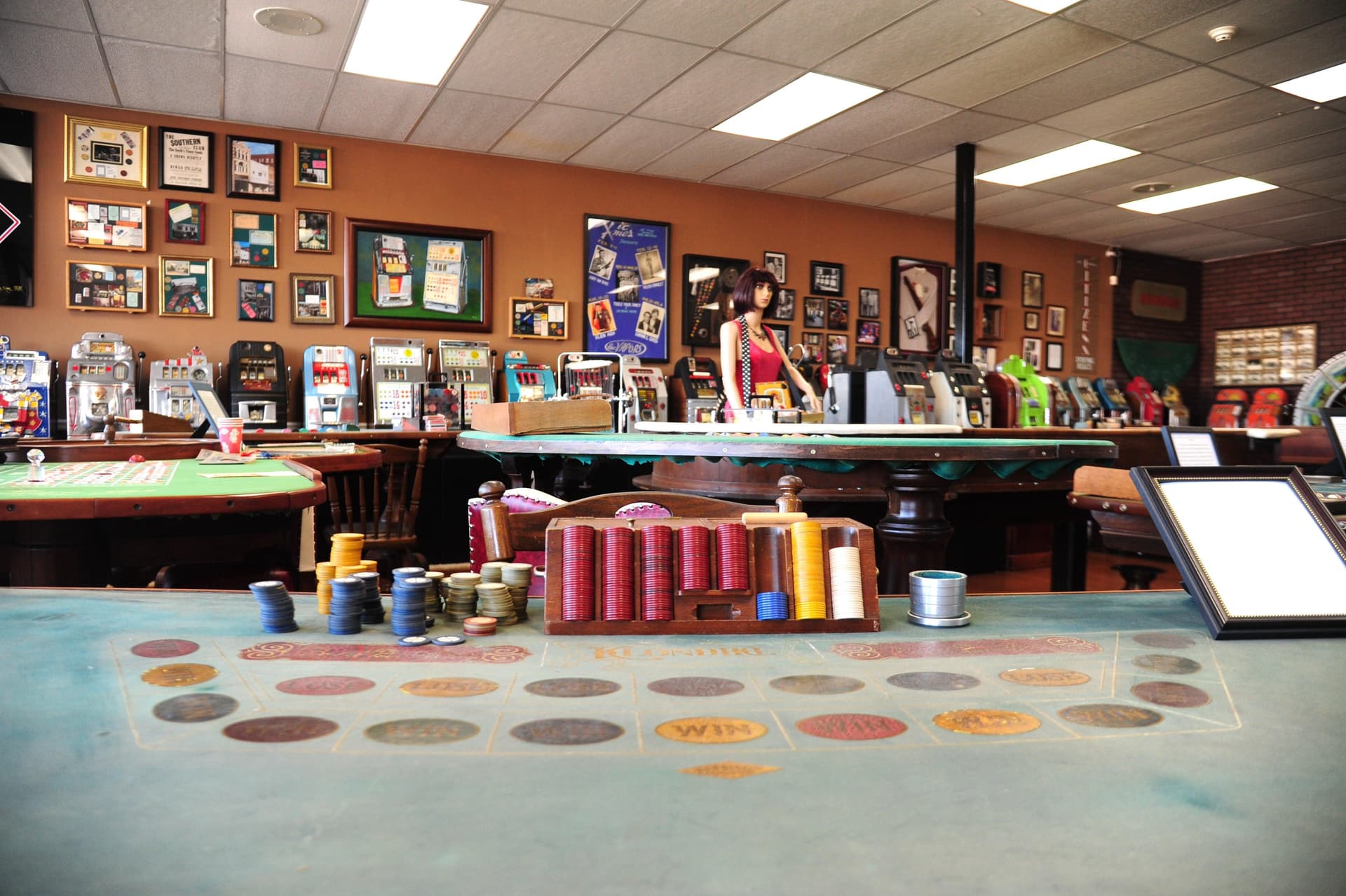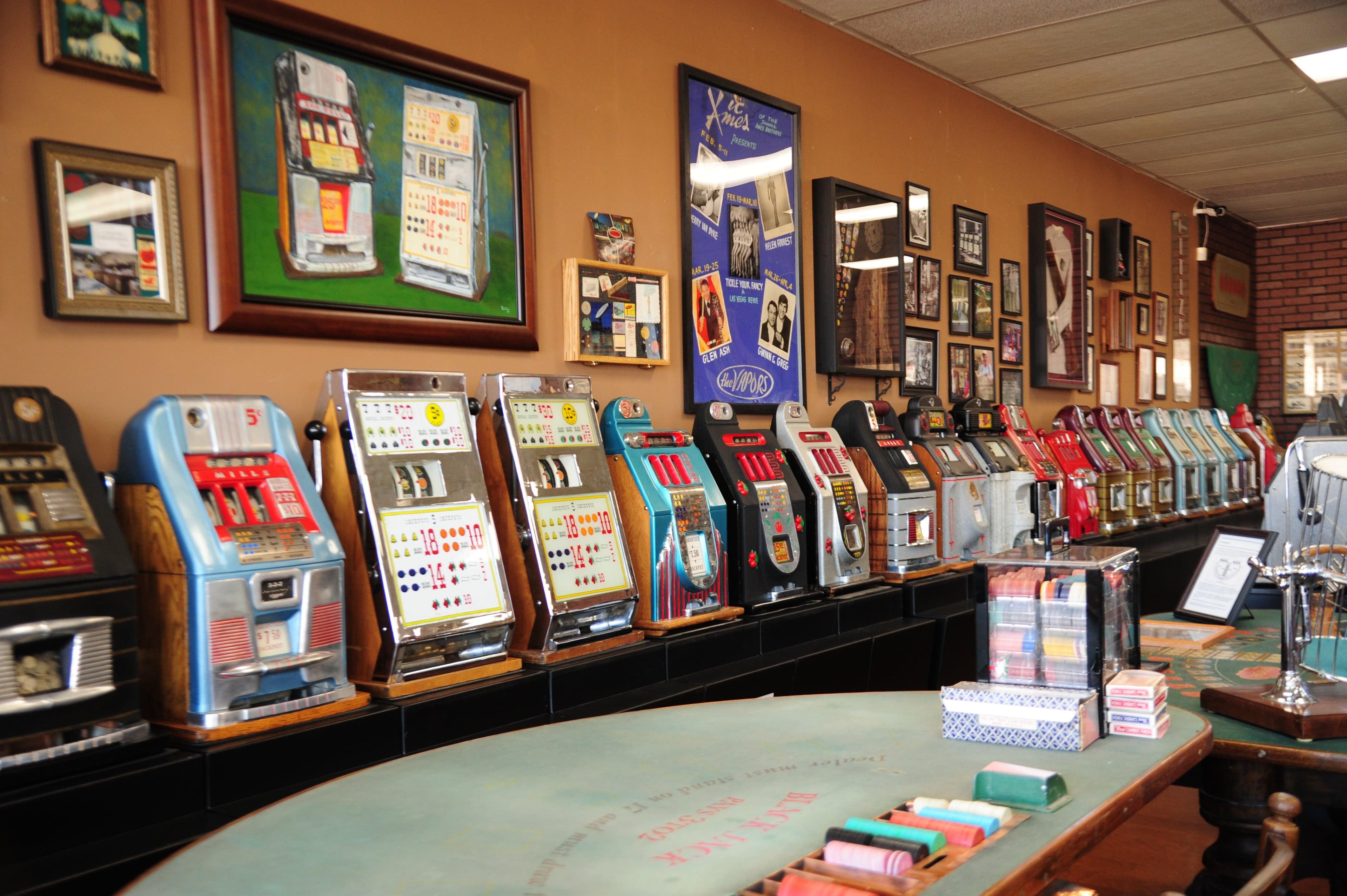
Vintage slot machines and gaming tables inside the History of Hot Springs Gambling Museum

Hot Springs history

History of Hot Springs Gambling Museum: Slot Machines, Raids, and the Spa City’s Casino Past

Hot Springs is known for bathhouses, mountain views, and weekend trips. But tucked into the city’s story is another chapter, one built around casino rooms, racing crowds, slot machines, and a gambling era people still talk about.

Museum

History of Hot Springs Gambling Museum

Address

3339-C Central Avenue, Hot Springs, Arkansas

Best for

Hot Springs history, vintage slot machines, casino memorabilia, local gambling-era stories

Good to know

Hours can be limited, so check the museum’s current page or call before making a special trip.

The other Hot Springs story

Hot Springs has always had more than one version of itself.

There is the Hot Springs most visitors see first: Bathhouse Row, the national park, the mountain drives, the old hotels, the restaurants, the lake weekends, and the clean postcard version of a historic Arkansas town.

Then there is the Hot Springs people remember in stories. The one with back rooms, racing crowds, private clubs, slot machines, political protection, famous visitors, and a gambling business that ran in the open even when it was not legal in Arkansas.

The History of Hot Springs Gambling Museum matters because it does not treat that past like a rumor. It puts the objects in front of you. Slot machines, gaming tables, advertisements, dice, cards, documents, and pieces of casino life help turn a half-whispered local memory into something you can actually study.
What the museum preserves

This is not just gangster folklore. It is a collection of the gambling equipment Hot Springs was known for.

The museum was established in 2016 by local collectors Lanny Beavers and Chris Hendrix, who wanted to preserve and display Hot Springs gambling memorabilia instead of letting it stay hidden away in private collections.

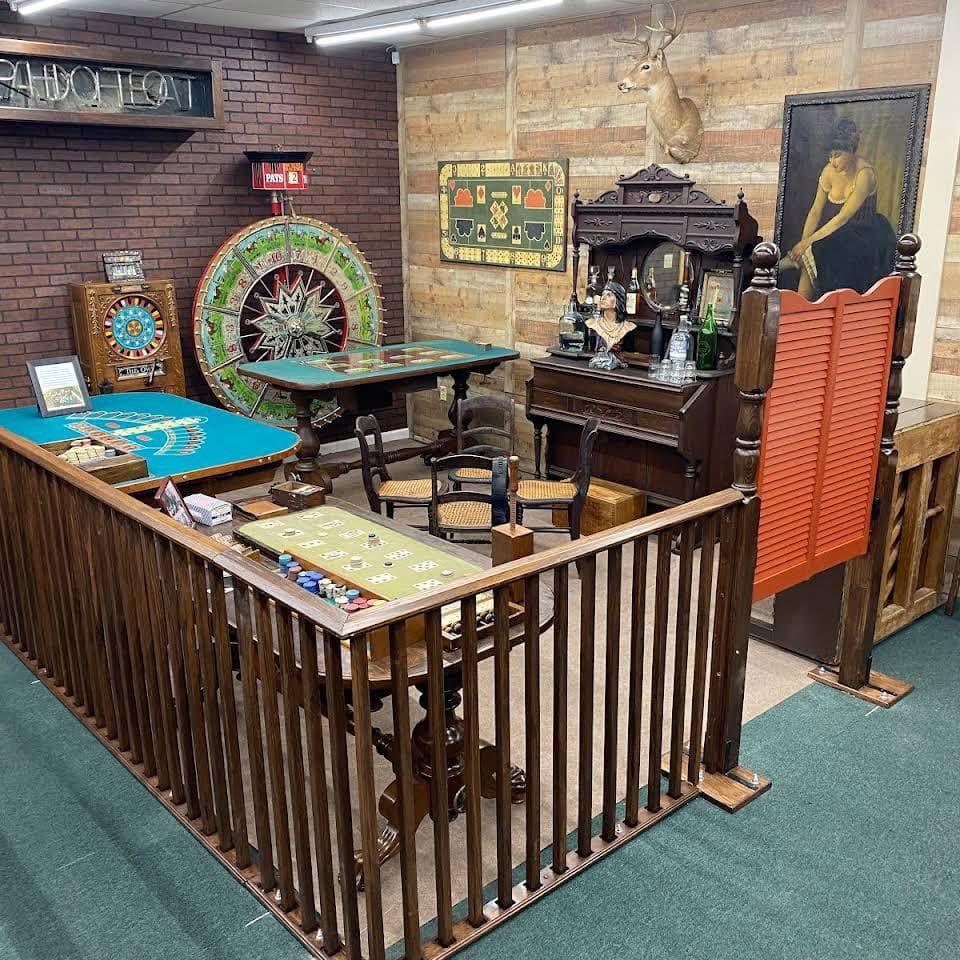
The collection is built around restored gambling equipment: slot machines, tables, casino pieces, paper items, and objects tied to the clubs, racetracks, and operators that shaped this part of the city’s identity.

That physical side is important. Hot Springs’ gambling past can sound almost too big or too colorful when it is only told through stories. Seeing the machines and tables makes it feel less like legend and more like local history that had weight, money, workers, customers, mechanics, and consequences.

Gaming tables and casino memorabilia display inside the History of Hot Springs Gambling Museum

A hands-on kind of history.

The museum is known for restored machines and displays that make Hot Springs’ gambling era feel more tangible than a paragraph in a history book.

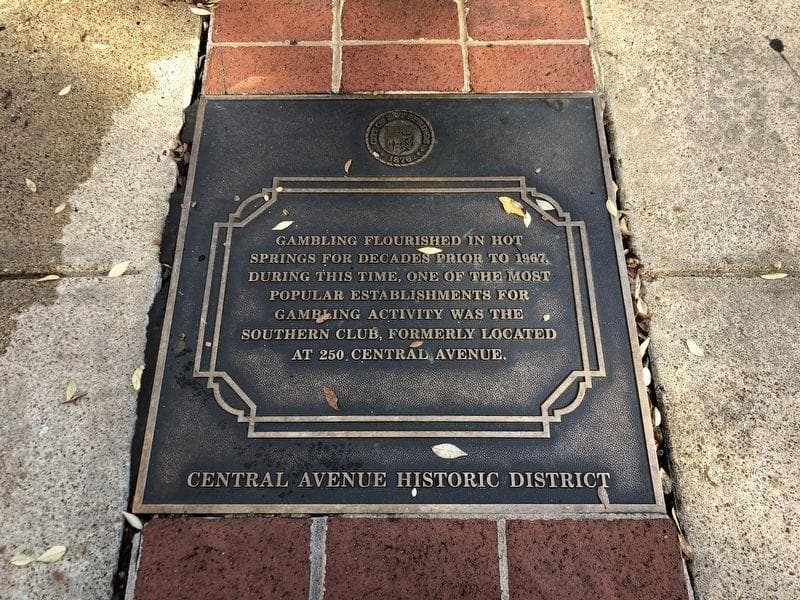
Hot Springs gambling history marker on Central Avenue

Central Avenue carried both sides of the city.

The same downtown that drew health seekers, bathhouse guests, and hotel crowds also became part of Hot Springs’ gambling and nightlife story.

Why gambling took root here

Hot Springs was a resort town, and resort towns attract money, crowds, and entertainment.

The gambling story did not happen off to the side of Hot Springs. It grew alongside the city’s visitor economy. People came for the thermal water, hotels, horse racing, entertainment, and mountain air. Once a steady stream of visitors was coming in, gambling found its place.

Central Avenue was not only a street of bathhouses and storefronts. It was also tied to clubs and gaming rooms where visitors and locals crossed into a different kind of Hot Springs night.

That is why the museum fits the city so well. It helps explain a side of Hot Springs that is easy to sensationalize, but harder to understand unless you connect it to the whole resort economy around it.

Names tied to the era

The museum points back to the clubs, tracks, and rooms people still associate with old Hot Springs.

The gambling era was not one building or one story. It was a web of places, some remembered clearly and some mostly carried through photographs, equipment, and local memory.

The Southern Club

One of the best-known gambling and entertainment spots on Central Avenue, tied closely to the downtown gambling story.

The Vapors

A later Hot Springs nightlife landmark that became part of the city’s mid-century gambling and entertainment memory.

The Belvedere Club

Another name connected to the casino-era collection and the private club side of Hot Springs history.

Oaklawn

Horse racing gave Hot Springs a legal gambling thread while the city’s illegal casino world grew around it.

Essex Park

Part of the early racing story before Oaklawn became the name most visitors know today.

The end of an era

In 1967, the old system finally came down.

Hot Springs’ illegal gambling world lasted for decades, but it did not last forever. In 1967, after Winthrop Rockefeller became governor, Arkansas State Police moved against the city’s gambling operations and the era that had seemed almost permanent began to close.

The raids are a major part of why the museum feels important. Gambling equipment was seized, destroyed, hidden, sold, restored, or scattered into private hands. The machines that survived carry more than decoration. They are pieces of a citywide shutdown.

One of the strongest human threads is Tony Frazier, who worked around slot machines in Hot Springs during the era and later connected with the museum through restored machines and personal history. That kind of connection keeps the story from becoming just a clean timeline of clubs and raids.

Restored gambling display inside the History of Hot Springs Gambling Museum

The machines survived the story.

The museum’s restored equipment gives visitors a closer look at what the city’s gambling rooms actually used, not just the stories people told afterward.

Visitor notes

How to work the museum into a Hot Springs history day.

The History of Hot Springs Gambling Museum is a good stop for visitors who already know Bathhouse Row and want to understand the city from another angle. It is especially worth considering if you like local history, old machines, casino memorabilia, racing history, or the less-polished side of tourist towns.

Because hours can be limited, check the museum’s current page or call before driving across town just for this stop. Treat it more like a local-history find than a big commercial museum with long daily hours.

If you have time, pair it with Bathhouse Row, the Fordyce Bathhouse visitor center, The Gangster Museum of America, Oaklawn, or a walk through downtown Central Avenue. Together, those stops show how complicated Hot Springs history really is.

Why it still matters

The museum helps keep Hot Springs history from getting flattened into one easy story.

Hot Springs is easy to simplify. It was a bath town. It was a gangster town. It was a racing town. It was a resort town. It was a national park town.

The truth is that it was all of those things at once, and the History of Hot Springs Gambling Museum helps preserve one of the pieces that could easily be reduced to a joke, a rumor, or a tourist slogan.

The machines, tables, records, and collected objects do not tell the whole story by themselves. But they give the story weight. They remind visitors that Hot Springs’ past was built by real places, real money, real workers, real risk, and real people who watched the old era disappear.