Bathhouse Row in Hot Springs Arkansas

Hot Springs history

Bathhouse Row in Hot Springs: Why This Old Downtown Strip Still Matters

Most visitors walk past these buildings at some point. But if you slow down, Bathhouse Row tells the story of the water, the town, the national park, and why Hot Springs became Hot Springs.

More than old buildings

You can walk Bathhouse Row in a few minutes, but the story under your feet runs a lot deeper than that.

Most people who visit Hot Springs end up on Bathhouse Row at some point. Some stop for pictures. Some go inside the Fordyce. Some book a bath at Buckstaff or Quapaw. Some just walk past the old buildings on the way to lunch, coffee, a brewery, or a shop downtown.

But Bathhouse Row is not just a pretty strip of historic buildings. It is the center of the Hot Springs story. The water, the national park, the old health resort days, the architecture, the decline of traditional bathing, and the way the city has reused its past all meet right there along Central Avenue.

Most towns have a courthouse square, a main street, or an old depot that explains who they are. Hot Springs has Bathhouse Row.
Before the buildings

Hot Springs started with the water.

Before the bathhouses, before the hotels, before the downtown crowds and the old gambling stories, there was the thermal water coming out of the mountain.

The springs were the reason this place was protected in the first place. Hot Springs Reservation was set aside in 1832, long before the modern national park system existed. In 1921, it became Hot Springs National Park.

That matters because Hot Springs is different from a lot of park towns. The park is not outside town. The park and the town grew into each other. Bathhouse Row is where that mix is the easiest to see.

Historic Hot Springs Arkansas

The water shaped everything.

The bathhouses were built because people came for the thermal springs. The city’s identity, downtown layout, and visitor economy all grew around that water.

Fordyce Bathhouse in Hot Springs Arkansas

How the Row took shape

Bathhouse Row became the architectural center of downtown.

The Bathhouse Row people see today did not appear all at once. Earlier bathhouses were more scattered, rougher, and more vulnerable to fire, flooding, and rot. Over time, the spring area was cleaned up, controlled, and rebuilt into a more formal health resort.

The surviving bathhouses were built between the late 1800s and early 1900s, with most of the Row taking on the grander look people recognize today in the early twentieth century.

That is why the buildings feel different from ordinary storefronts. They were meant to impress people. They were meant to tell visitors that Hot Springs was not just a mountain town with hot water. It was a national health destination.

The eight bathhouses

Each building tells a slightly different part of the story.

The eight surviving bathhouses are Hale, Buckstaff, Ozark, Quapaw, Fordyce, Maurice, Lamar, and Superior. Some still connect directly to bathing. Some became public spaces, cultural spaces, shops, or a brewery. Together, they show how Hot Springs has had to keep adapting without losing what made it different.

Hale Bathhouse

The oldest surviving bathhouse on the Row, built in the 1890s, and one of the clearest reminders of how far back the bathing story goes.

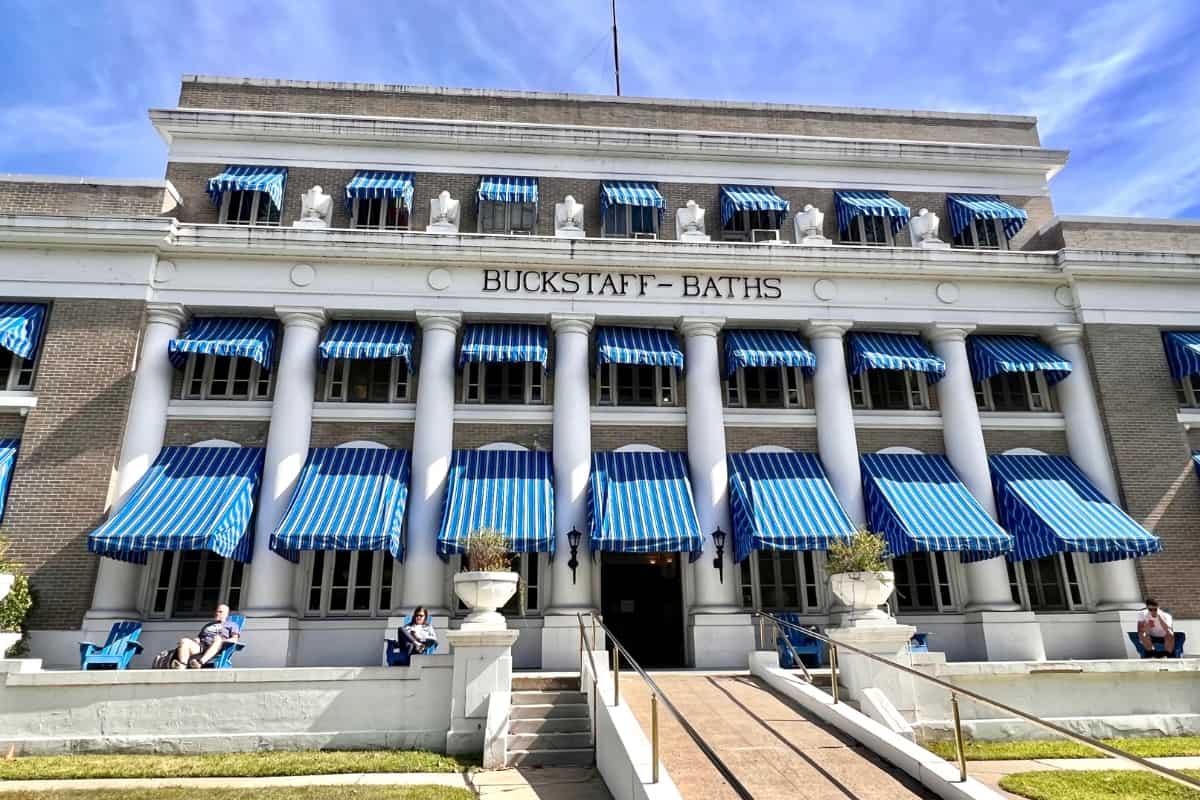
Buckstaff Bathhouse

The traditional holdout. Buckstaff has kept the classic thermal bathing experience alive while most of the Row changed uses.

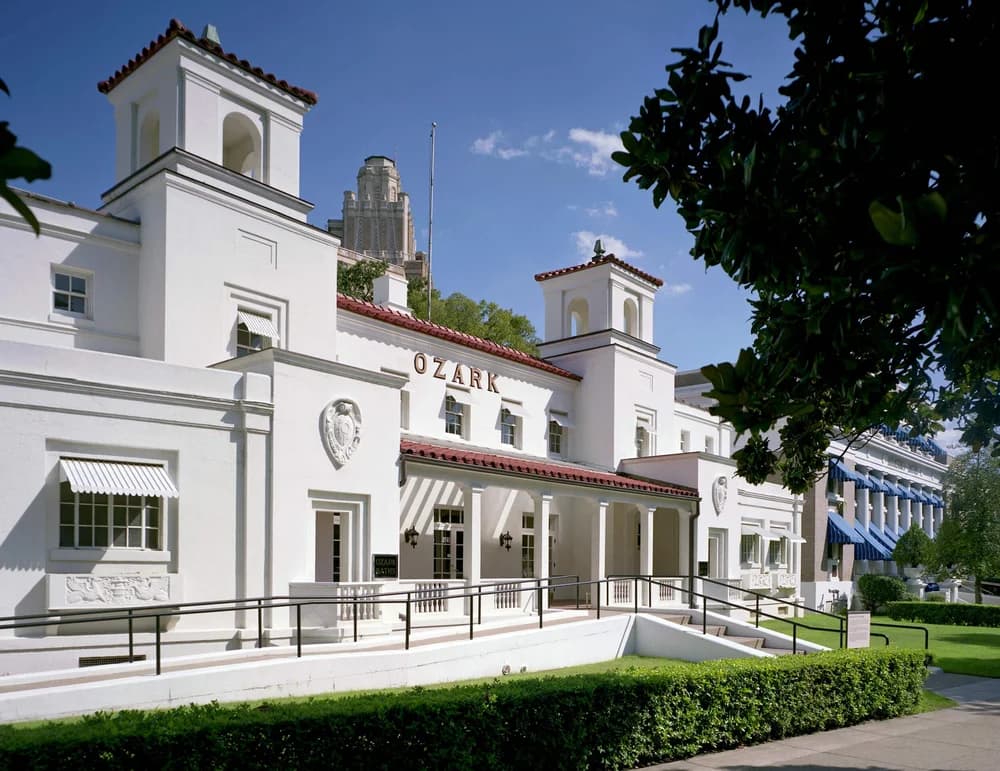
Ozark Bathhouse

Known for its decorative look and cultural use, helping show how these old buildings can still serve the public in different ways.

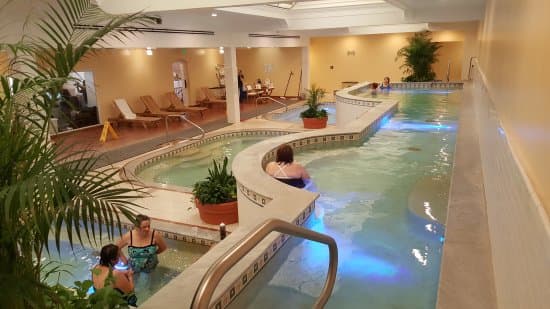
Quapaw Bathhouse

One of the most recognizable buildings on the Row, now tied to modern spa soaking and a more current version of the bathhouse experience.

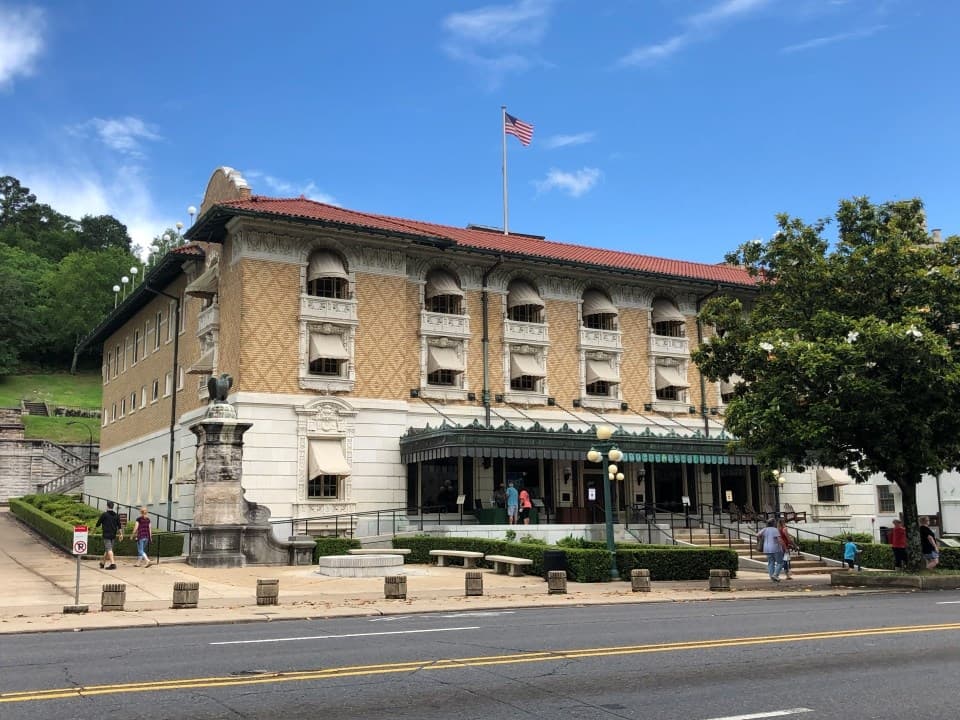
Fordyce Bathhouse

Now the national park visitor center and museum, and probably the best first stop for understanding what Bathhouse Row used to be.

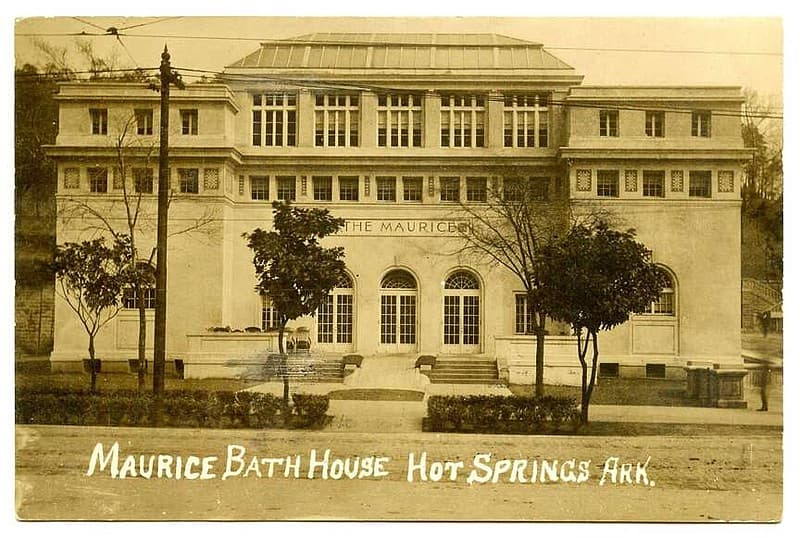
Maurice Bathhouse

A reminder that the bathhouses were not only about tubs. They were also social spaces with lounges, detail, and a sense of status.

Lamar Bathhouse

The last major bathhouse to open on the Row, now used for the Bathhouse Emporium and park store.

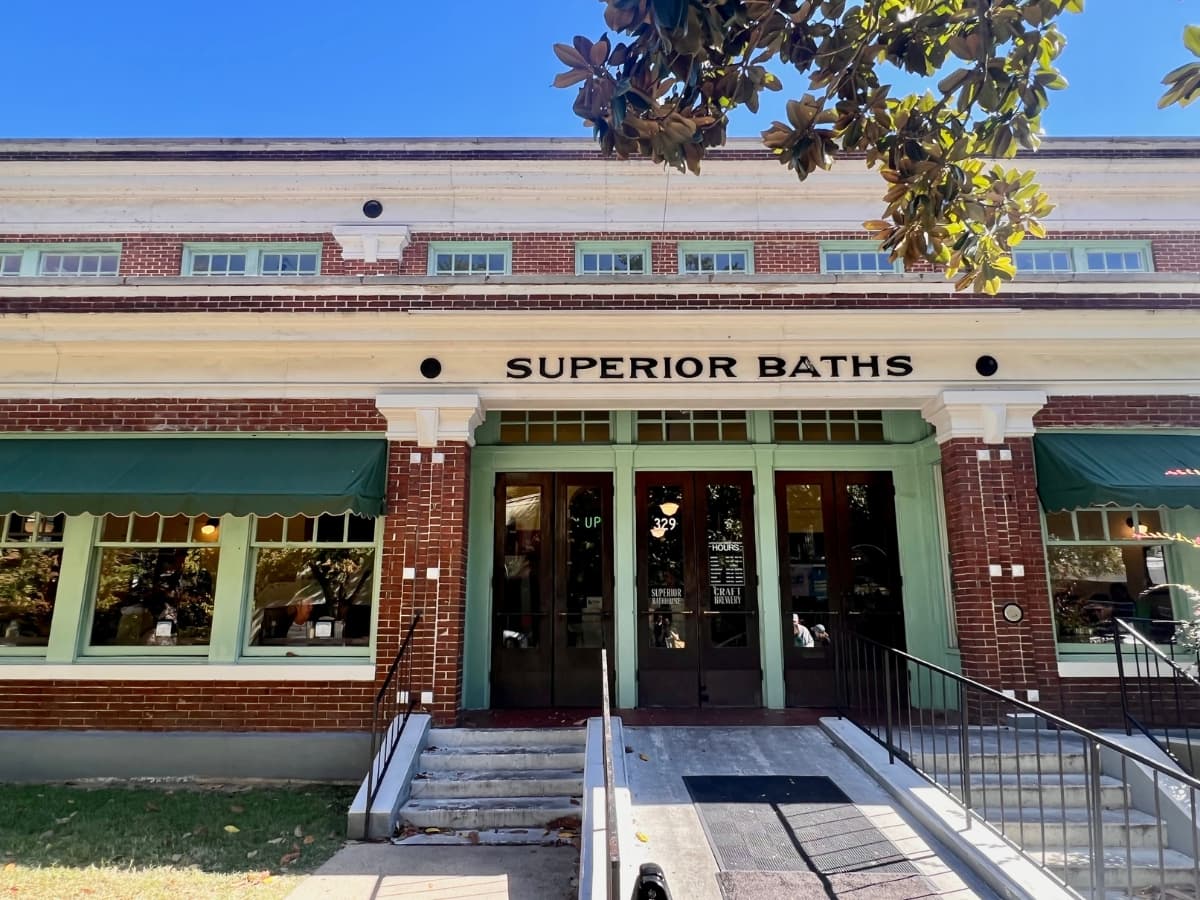
Superior Bathhouse

The smallest bathhouse on the Row, now one of the best examples of adaptive reuse as Superior Bathhouse Brewery.

Buckstaff Bathhouse in Hot Springs Arkansas

Buckstaff kept the old experience alive.

While much of the Row changed, Buckstaff remained tied to the traditional thermal bathhouse experience.

Quapaw Baths in Hot Springs Arkansas

Quapaw shows the modern side.

Quapaw keeps the spa tradition going in a more modern way, while still using one of the Row’s most recognizable buildings.

Superior Bathhouse Brewery in Hot Springs Arkansas

Superior became something new.

Superior Bathhouse Brewery is one of the clearest examples of Hot Springs reusing its history instead of letting it sit empty.

The peak and the decline

Bathhouse Row did not stay grand forever.

At its height, the bathing industry brought huge numbers of people to Hot Springs. The bathhouses were not side attractions. They were the reason many visitors came. Doctors recommended the water, travelers planned around it, and downtown Hot Springs grew around that economy.

But like a lot of old downtown stories, the original reason for the buildings started to fade. Medicine changed. Travel changed. Visitors changed. By the mid-twentieth century, the old bathing industry was no longer carrying the Row the way it once had.

Some bathhouses closed. Some sat empty. Some needed expensive repairs. For a while, Bathhouse Row was not just historic. It was at risk.

Why preservation mattered

The Row survived because people decided it was worth saving.

The important thing is that Bathhouse Row did not get treated like a disposable old strip of buildings. Preservation, National Park Service involvement, historic recognition, and adaptive reuse helped keep the Row from being lost.

That is a big part of why it still matters. Hot Springs could have become a place that only talked about what used to be there. Instead, visitors can still walk the Row, see the buildings, step inside the Fordyce, take a bath, visit a spa, grab a beer in a former bathhouse, and understand the city in a more physical way.

You are not just reading a plaque. You are standing in the middle of the story.

Grand Promenade behind Bathhouse Row

The Row is still walkable history.

The Grand Promenade, thermal water displays, mountain trails, and downtown streets all connect around Bathhouse Row.

What visitors can do today

Bathhouse Row is still one of the best places to start a Hot Springs visit.

Even if you are not booking a bath, the Row gives you a clear feel for the city. You can walk it slowly, step inside the Fordyce, see the architecture, follow the Grand Promenade, and build the rest of your day around downtown.

Good ways to experience the Row

Walk Bathhouse Row and look at the architecture up close.
Visit the Fordyce Bathhouse visitor center and museum.
Book a traditional bath experience at Buckstaff.
Try a modern spa experience at Quapaw.
Stop at Superior Bathhouse Brewery.
Walk the Grand Promenade behind the bathhouses.
See the thermal water displays and public jug fountains.
Use Bathhouse Row as a starting point for downtown Hot Springs.

Why it still matters

Bathhouse Row is still the heart of Hot Springs because it connects the city’s past to what visitors experience now.

A lot of places have old buildings. Bathhouse Row is different because those buildings still explain the city. They show why people came here, what Hot Springs built around, what almost faded, and what was important enough to preserve.

You can enjoy Bathhouse Row without knowing every date or architectural detail. But knowing the story makes the walk better. It turns the Row from a photo stop into the center of the whole Hot Springs experience.