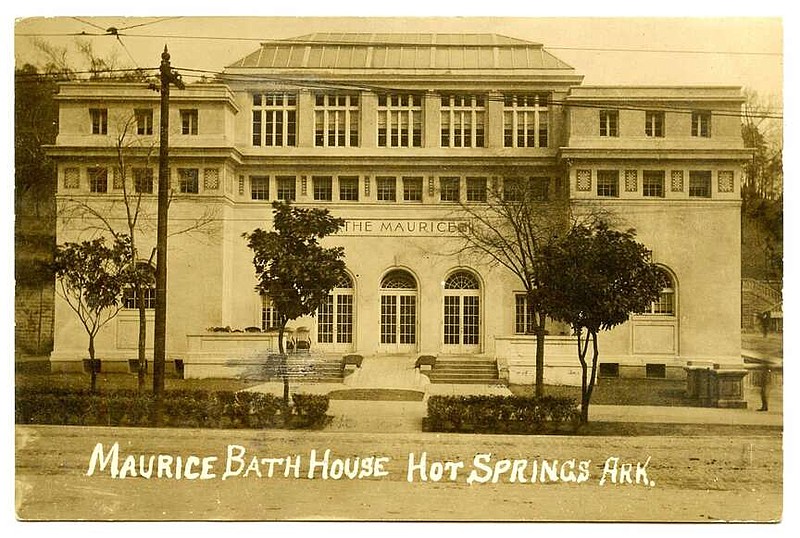
HOT SPRINGS HISTORY
History of Hot Springs, Arkansas
Learn about Bathhouse Row, historic downtown Hot Springs, the natural hot springs, famous visitors, early tourism, gambling history, and the stories that shaped the city.
Historic Hot Springs
The city’s history is still part of the trip.
Hot Springs is not just a place with old buildings. The city’s history is tied directly to the reason people still visit: thermal water, bathhouses, downtown streets, mountain scenery, hotels, restaurants, spas, and a national park sitting right beside the city.
A good history-focused visit usually starts with Bathhouse Row, then adds downtown exploring, museums, restaurants, hotels, and Hot Springs National Park.
Historic Places and Stories Around Hot Springs
These are some of the easiest ways to see the city’s history while still enjoying the modern trip.
Historic Highlight
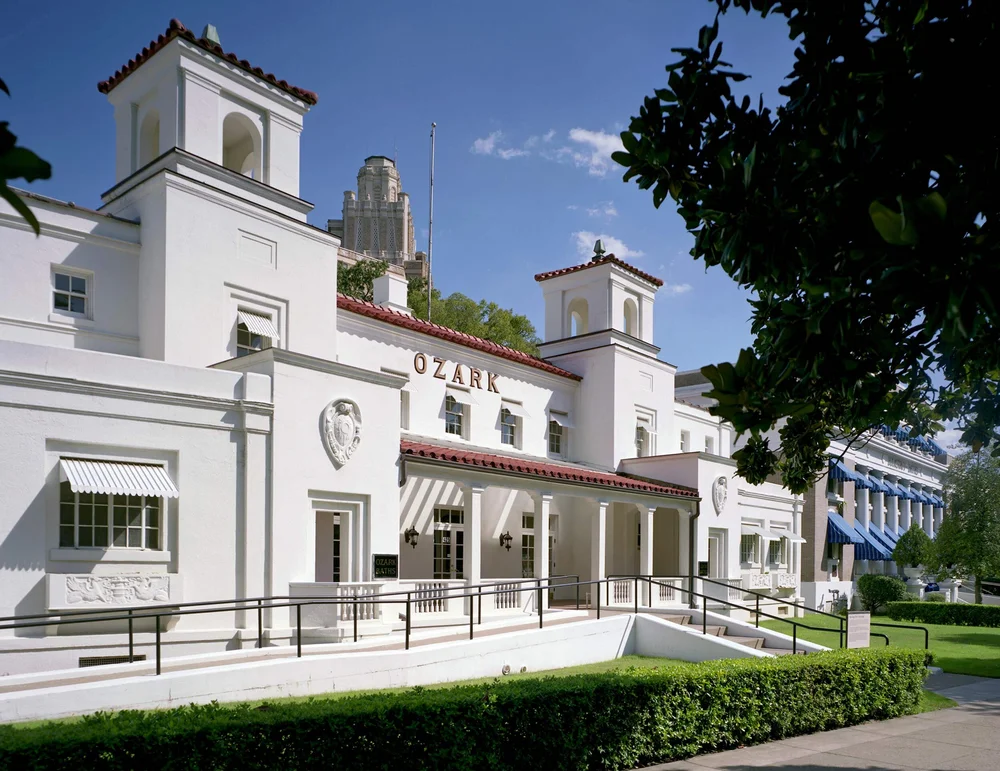
Bathhouse Row
Historic District • Bathhouses • Downtown
The most recognizable historic area in Hot Springs, with bathhouse buildings, thermal water history, museums, spas, walking paths, shops, and restaurants nearby.
Learn more →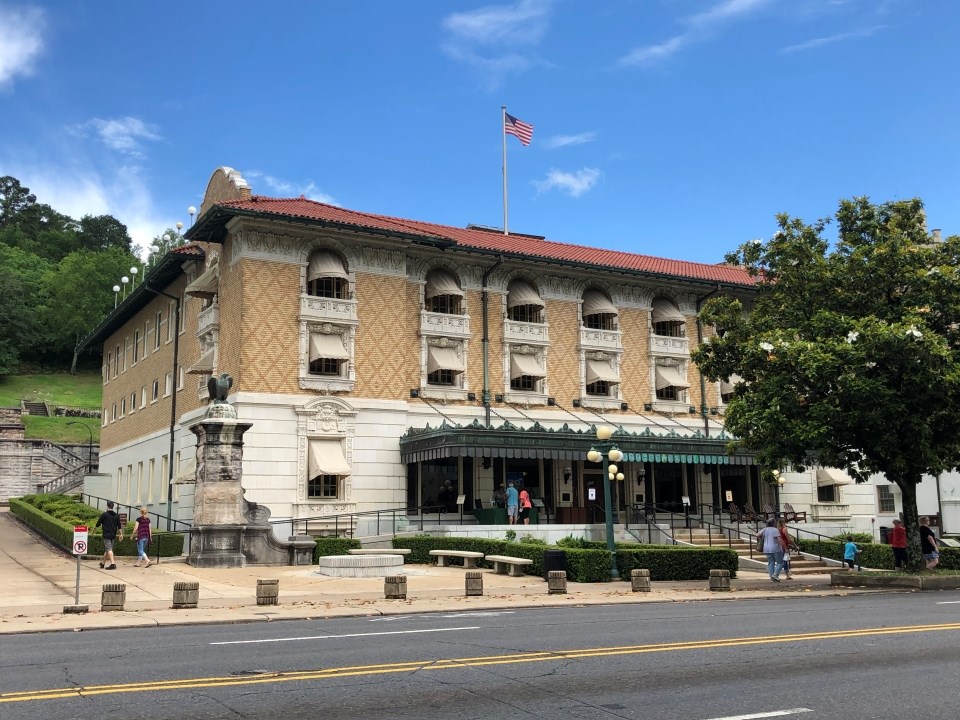
History Stop
Fordyce Bathhouse
Museum • Visitor Center • Historic Bathhouse
A restored bathhouse that helps visitors understand how Hot Springs became known for bathing culture, architecture, tourism, and thermal water.
History Stop
Historic Downtown
Central Avenue • Shops • Hotels • Restaurants
Downtown Hot Springs still carries the older resort-town feel, with historic buildings, walkable blocks, local shops, restaurants, hotels, and national park access.
How Hot Springs Became a Visitor Town
The short version: water brought people here, bathhouses gave the city its identity, and downtown grew around the visitors.
Thermal Water Shaped the City
Hot Springs grew around the natural thermal water that made the area famous. Long before it became a busy visitor destination, people were drawn to the springs for rest, bathing, healing traditions, and the unusual setting of warm water coming from the mountain.
Bathhouse Row Became the City’s Signature
Bathhouse Row gave Hot Springs its most recognizable identity. The bathhouses, sidewalks, architecture, and downtown setting turned the city into a place people traveled to for health, leisure, and a very specific kind of resort-town experience.
Downtown Grew Around Visitors
Restaurants, hotels, shops, entertainment, and services grew around the downtown visitor economy. That is still part of what makes Hot Springs different today: history, tourism, food, lodging, and local business all sit close together.
Hot Springs Still Feels Historic
Even with modern restaurants, hotels, spas, attractions, and lake trips, the historic side of Hot Springs is still easy to see. Bathhouse Row, Central Avenue, old hotels, museums, and national park buildings keep that story visible.
Thermal Water & Historic Streets
The old Hot Springs story is still easy to see.
Walk Bathhouse Row, visit historic buildings, then step right into the modern downtown with restaurants, hotels, shops, and spas.
Hot Springs History FAQs
Quick answers for visitors interested in Bathhouse Row, downtown, thermal water, historic buildings, and the city’s past.
Why is Hot Springs, Arkansas historic?
Hot Springs is historic because the city grew around natural thermal water, bathhouse culture, early tourism, historic downtown buildings, Bathhouse Row, and what became Hot Springs National Park.
What is Bathhouse Row?
Bathhouse Row is the historic district in downtown Hot Springs known for its bathhouse buildings, thermal water history, architecture, museums, spas, and connection to Hot Springs National Park.
Can you still visit the historic bathhouses?
Yes. Visitors can walk Bathhouse Row, visit historic buildings, stop at the Fordyce Bathhouse Visitor Center, and experience working bathhouses and spa services in select locations.
Is Hot Springs National Park part of the city history?
Yes. Hot Springs National Park is deeply tied to the city’s history because the park protects the thermal springs and historic landscape that helped shape Hot Springs.